Choosing the right orientation for a photo album may seem like a small detail, but it can significantly impact the final presentation and overall impact of your images. The chosen photo album dimensions can also affect design choices, image selection, and even storage convenience. Whether you’re a professional photographer creating albums for clients or organizing personal photos, selecting the best orientation—landscape, portrait, or square—for your style and intent can enhance storytelling, increase the overall impact of the images, and create a cohesive look. This guide explores the pros and cons of each orientation, common photo album sizes, and when to use each orientation for the best results.
Photo Album Orientation: At a Glance
Not sure which album orientation is right for your project? Here’s a quick overview of what this guide covers so you can jump straight to what’s most relevant.
- Landscape (Horizontal) Albums – Best for wedding and travel photography
- Square Albums – Most versatile; great for mixed-orientation collections
- Portrait (Vertical) Albums – Ideal for formal portraits and headshot-heavy collections
- Choosing the Right Orientation – Key questions to guide your decision
- Frequently Asked Questions – Common questions about album formats and sizes
Horizontal Albums (Landscape Orientation)
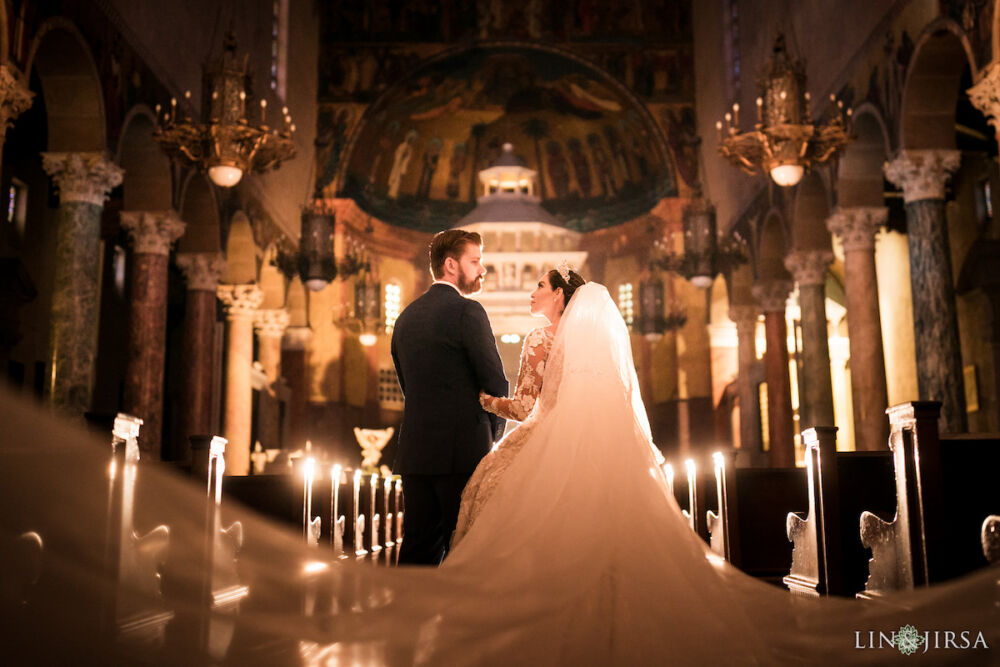
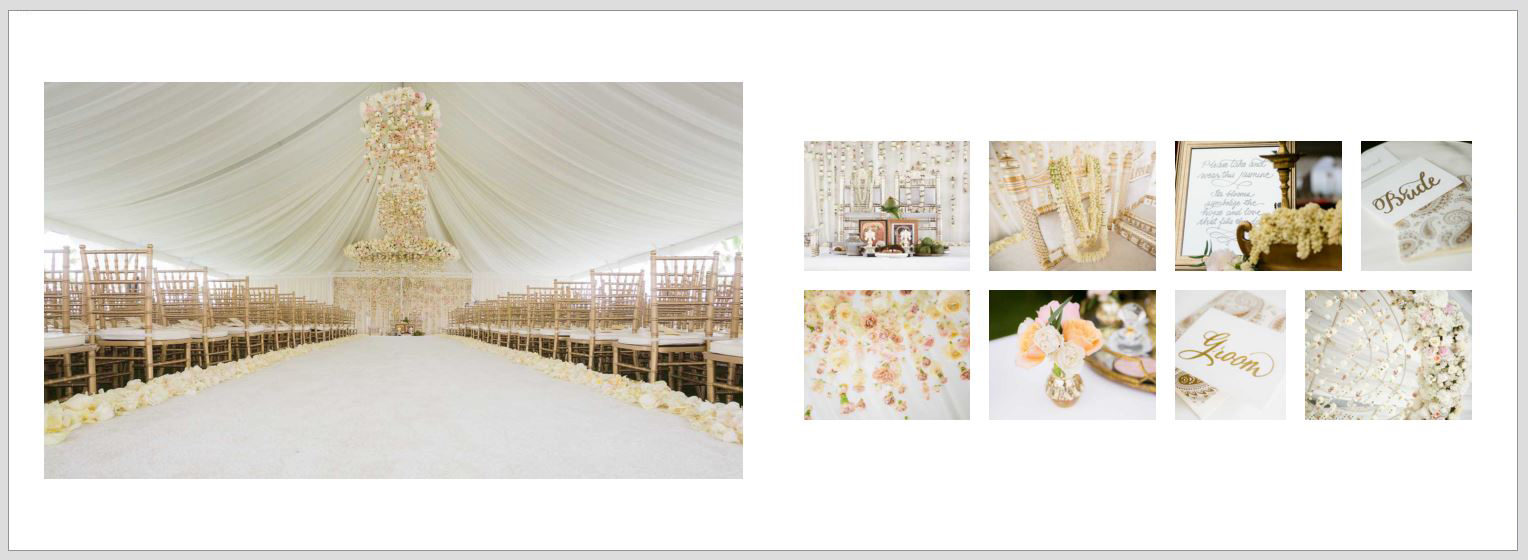
Landscape-oriented albums are wider than they are tall, resembling a horizontal rectangle. This is often the go-to format for traditional wedding albums, travel photography, and landscape or outdoor photography.
Landscape (Horizontal) Album Pros
- Natural Eye Movement: When multiple images are laid out across a full horizontal spread, your eyes travel from left to right without any awkward transitions. A single landscape image fits nicely onto a single horizontal side, leaving you with the other side for supporting images. For high visual impact, consider using a single landscape image spanning the full spread.
- Versatile Layout for Horizontal Images: Since most photos are taken in landscape orientation, this format naturally fits many images without cropping or rotating.
- Great for Panoramas and Large Groups: Landscape orientation accommodates wider shots, making it ideal for group photos, landscape scenes, or wide-angle shots.
- Natural for Storytelling: Spreads flow seamlessly across the width of the album, which makes storytelling across multiple pages feel more continuous.

Landscape (Horizontal) Album Cons
- Limited Flexibility for Vertical Photos: Portrait photos may need to be cropped or scaled down, which can reduce image quality.
- Larger Size Requirements: To fit a balance of vertical and horizontal photos, landscape albums often need larger dimensions, which can be bulky.
- Harder to Carry and Store: A horizontal album is more likely to hang off the edge of a bookshelf than a vertical or square album, making it harder to store. Opening and turning the pages can also feel less natural, and viewing the album typically has to be done on a table.
- More Weight on the Book Spine: Horizontal albums place more weight on the spine than vertical or square albums, which can potentially lead to shorter lifespans. While this isn’t a problem with high-quality, professional album makers, the issue may arise with consumer or budget makers.
Common Sizes for Landscape Albums:
- 11×8.5 inches
- 12×9 inches
- 13×10 inches
Landscape-oriented albums are perfect for wedding photography, travel albums, nature and landscape photography, or any collection where horizontal images are predominant. If the majority of your best shots are wide rather than tall, this is usually the safest and most impactful format to default to.
Square Albums – The Most Versatile Orientation
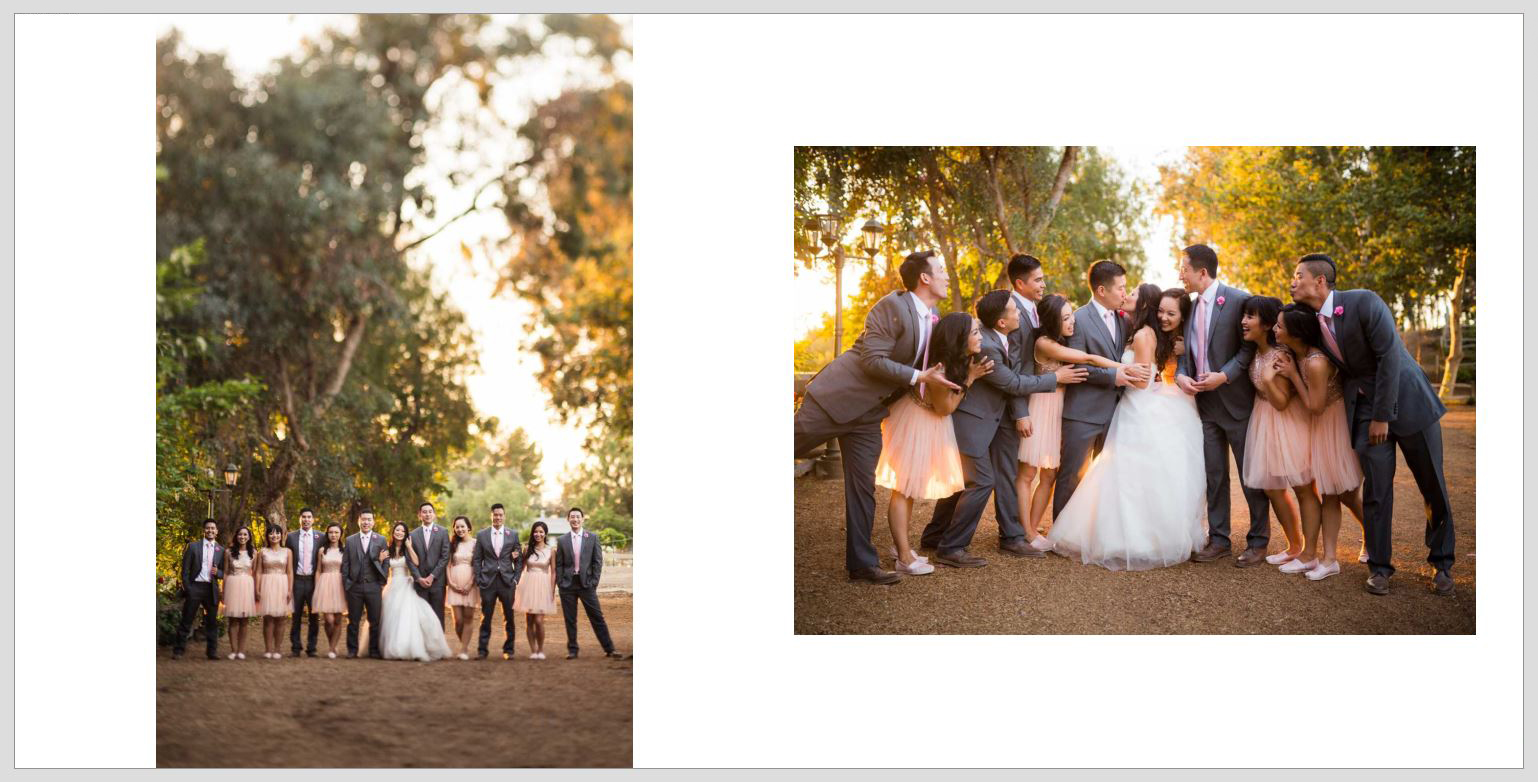
Back in the day, most “slip-in” photo albums were square shaped. It was done on purpose because it allowed the slip-in mats to rotate and provided more versatility for the mats. Nowadays, with modern flush mount photo albums, this no longer applies, but square-sized photo albums remain hugely popular.
Square Album Pros
- Easy to Resize: One practical reason for square photo albums is that they are extremely easy to resize. Simply design a large-size photo album and you can order any other smaller square sizes without lifting a finger. No need to worry about whether the aspect ratios are compatible.
- Equal Emphasis on All Photos: Since the album doesn’t prioritize one orientation, it’s versatile enough for a mix of horizontal and vertical images.
- Modern and Clean Aesthetic: Square albums are often seen as contemporary and stylish, making them popular for high-end or art-focused collections.
- Perfect for Social Media Photos: Many social media images, especially from platforms like Instagram, are square, so this format translates perfectly from screen to print.
- Great for Wedding Parent Albums: If you are offering parent albums at different sizes, square will be the easiest and most versatile album orientation.
Square Album Cons
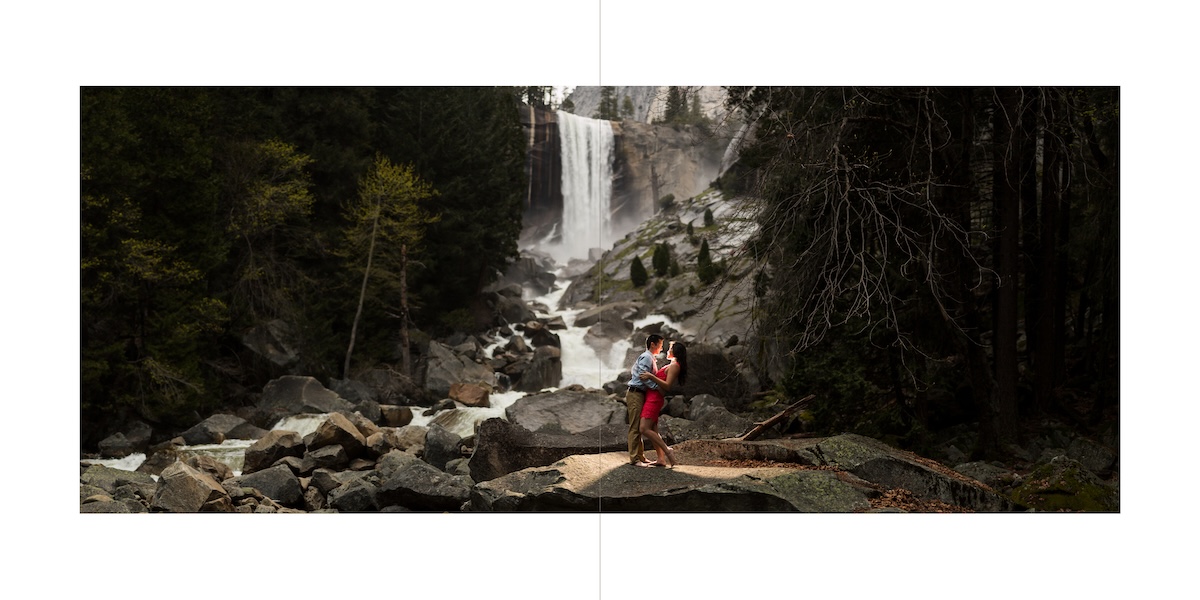
- Cropping Necessary: Design-wise, square albums fall into the “middle-of-the-road” category. If you have a nice landscape image, it can fit perfectly across a full spread (two squares). Other than that, if you try to full-bleed either a horizontal or vertical image into a single square side, you’ll need to do some heavy cropping. Fitting multiple images into a single square side is also a labor of compromise. Fitting four horizontal images on a single square side results in awkward space on the top and bottom. Likewise, fitting four vertical images on a single square side yields awkward space on the left and right.
- May Not Suit Traditional Styles: For some traditional albums, square orientation may feel less formal or polished, depending on the theme.
Common Sizes for Square Albums:
- 8×8 inches
- 10×10 inches
- 12×12 inches
Square-oriented albums are excellent for social media photo books, baby albums, family memories, and creative portfolios. They provide a balanced and modern feel and work well for both landscape and portrait images, making them a popular choice for digital scrapbooks, social media photo books, and art-focused albums. For photographers who offer tiered album packages, square is especially practical because you can design once at the largest size and scale down freely without redesigning.
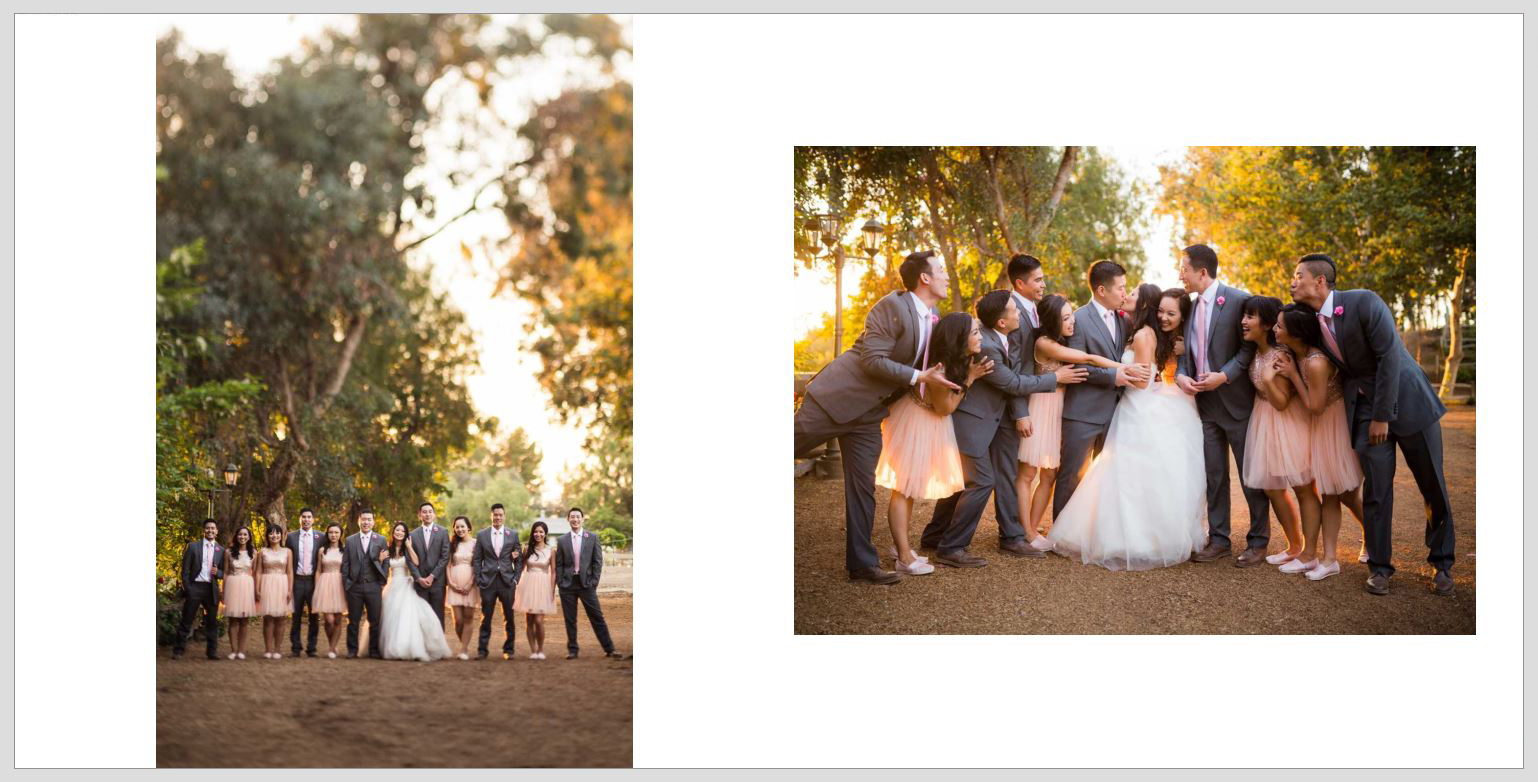
Square Album Spread Examples
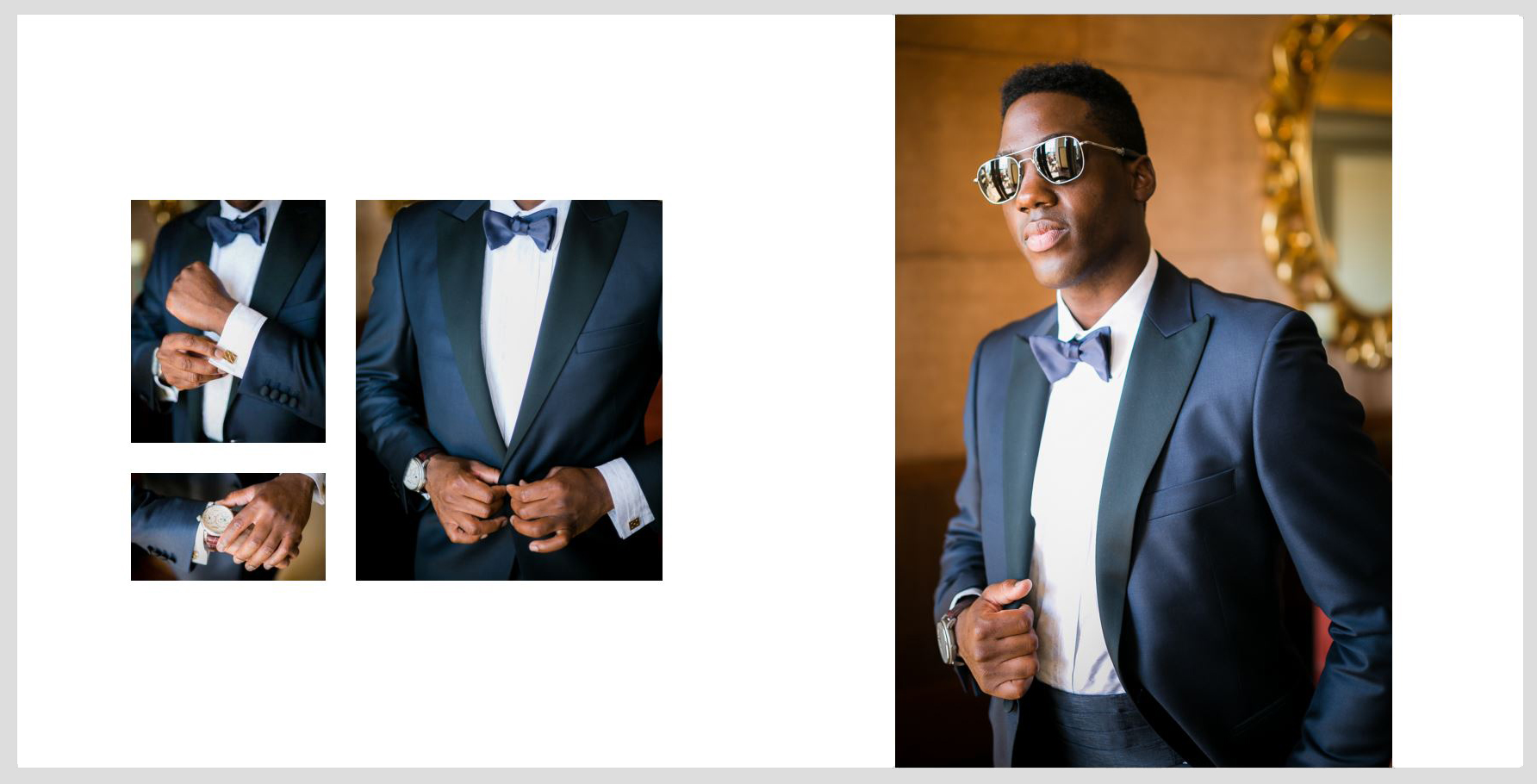
See a few examples of square photo album spreads by Lin and Jirsa Photography.

Vertical Photo Albums
A photo album with portrait (vertical) orientation is taller than it is wide, resembling a vertical rectangle. This format is frequently used for school yearbooks, formal portraits, and some family albums. When done right, the vertical album has a uniquely shaped presence that stands out from the crowd. When done wrong, the viewer might drop the dreaded comment: “Oh, that looks like a yearbook.”

Portrait (Vertical) Album Pros
- Ideal for Vertical Photos: Portrait orientation naturally suits individual portraits and full-length shots, minimizing cropping.
- Elegant and Formal Look: Portrait albums lend themselves well to classic, formal presentations, making them ideal for occasions such as graduations, weddings, and family milestones.
- More Natural for Carrying and Storing: Portrait albums are often easier to handle and store. They don’t hang off the edge of bookshelves and share the familiar orientation of most regular books, which makes them feel intuitive to pick up and flip through.
Portrait (Vertical) Album Cons
The vertical photo album presents challenges in the design department. If you shoot 90% of your images in portrait format, there are no issues. But for most photographers who have a mix of landscape and portrait images, the design can get tricky. Placing a single landscape image on a vertical page wastes a significant amount of space and can feel unbalanced.
- Eye Movement: The vertical format is also a bit challenging for eye movement. When constructing a story on a vertical spread with multiple images, the natural tendency is to place images from top to bottom on both sides. This forces the viewer’s eye to travel down the left side, then jump back to the top of the right side and travel down again—an unnatural reading pattern that can interrupt the flow of a story.
- Challenging for Landscape Images: Horizontal photos may need to be significantly cropped or resized, which can disrupt the composition of scenic shots.
- Limited Spread Width: Portrait albums have less width across two pages, which can feel cramped for larger spreads and panoramic shots.
Common Sizes for Portrait Albums:
- 8.5×11 inches
- 9×12 inches
- 11×14 inches
Portrait-oriented albums are well-suited for formal events, family albums, and occasions where vertical photos make up the majority of the collection. If you go with a vertical album, size it large to give the impression of a fine art book. A small, thin vertical album can easily read as a yearbook, which most clients will not consider a compliment.
Choosing the Right Orientation for Your Album
Here are a few pointers to guide your decision:
- Consider Your Primary Photo Orientation: If most of your photos are horizontal, a landscape album might work best. If you have more vertical images, consider a portrait orientation. For a balanced mix, square albums provide flexibility.
- Plan for Ease of Display: Portrait albums are often easier to fit on shelves or display in cases, while landscape albums may require more room. Square albums, with their balanced dimensions, tend to fit well on both shelves and coffee tables.
- Evaluate Your Printing Budget: The album size can affect printing costs. Landscape and portrait albums, especially larger sizes, tend to be more expensive. Square albums are often more budget-friendly, particularly if you’re printing smaller sizes like 8×8 inches.
It’s also worth thinking about your client’s lifestyle and how they’ll actually use the album. A couple who entertains frequently might love a large landscape album displayed on a coffee table. A family with limited shelf space might prefer a tidy square or portrait album that tucks neatly into a bookcase. When you frame the orientation decision around the client’s daily life rather than just design preferences, you’ll consistently land on choices they’ll be happy with for decades.
Frequently Asked Questions About Photo Album Orientation
What is the most popular photo album orientation for wedding photographers?
Landscape (horizontal) is by far the most common choice among professional wedding photographers. The wide format accommodates ceremony and reception scenes naturally, supports full-spread panoramic images beautifully, and suits the horizontal look of most wedding venues and group shots. Square is a close second, especially for parent albums and mini books.
Can I mix portrait and landscape images in a landscape album?
Yes, though it requires thoughtful design. Vertical images in a landscape album typically work best when paired together on one side of a spread, or used as smaller accent images alongside a dominant horizontal photo. If a large portion of your best images are portrait-oriented, you may want to consider a square album instead to avoid heavy cropping.
What size photo album should I order for a wedding client?
For a main wedding album, 10×10 square or 12×9 landscape are the most popular options, offering enough real estate to showcase images at an impactful size. Parent albums are commonly ordered at 8×8 square. The right choice depends on your print lab’s offerings, your design aesthetic, and your client’s budget.
Is a square album easier to design than landscape or portrait?
In terms of resizing and scaling across multiple sizes, yes. Square albums are the easiest to work with when offering tiered album packages because you design once and can reproduce the same layout at different square dimensions without reformatting. However, fitting a mix of image orientations within a single square page can require more creative layout decisions than a landscape spread.
Does photo album orientation affect print quality?
Orientation itself doesn’t affect print quality, but it does affect how much of each image is used. When a photo’s orientation doesn’t match the album page, it needs to be cropped or scaled down, which can reduce the effective resolution of the printed image. Choosing an album orientation that matches your most important images will preserve the most detail and avoid unwanted cropping of key subjects.
Conclusion and Opinion
In our opinion, the most impactful and interesting layouts are possible with horizontal (landscape) albums. They allow for wide, impactful images as the central focus, with other supporting storytelling elements to the left and/or right of the main image. Our least favorite is the vertical (portrait) format, which is difficult for laying out large environmental portraits. The most versatile and easiest to scale up and down is the square size.
Ultimately, the best orientation is one that complements your photo style, album theme, and display needs. With thoughtful planning, your photo album can become a beautifully curated keepsake that tells your story in the best possible light.