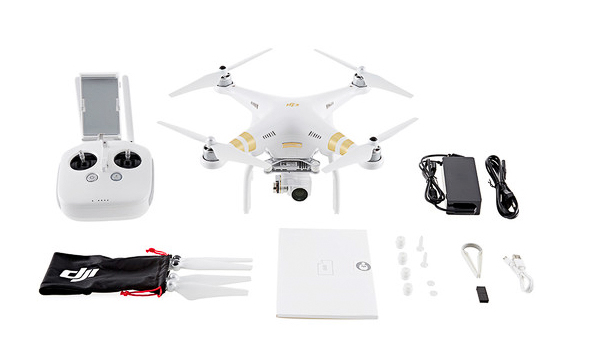
It’s wedding season, and for about two years now a trend that’s been hitting stride in wedding, event, and indeed various other genres of photography, is the incorporation or drones. Of course, you don’t have to have any considerable powers of deduction to figure out why, as drones provide the kind of unusual, dramatic perspectives and scope previously reserved for budgets of the Michael Bay persuasion.
But as drone usage has increased, so have the problems surrounding it been amplified. Drones have been the center of disparate controversies since day one; from running into invasion of privacy issues, to property damage cases, and even drawing serious concerns for civil and commercial aviation. As such, a set of FAA rules and guidelines of operation were essential, but have been rather incomplete until now.
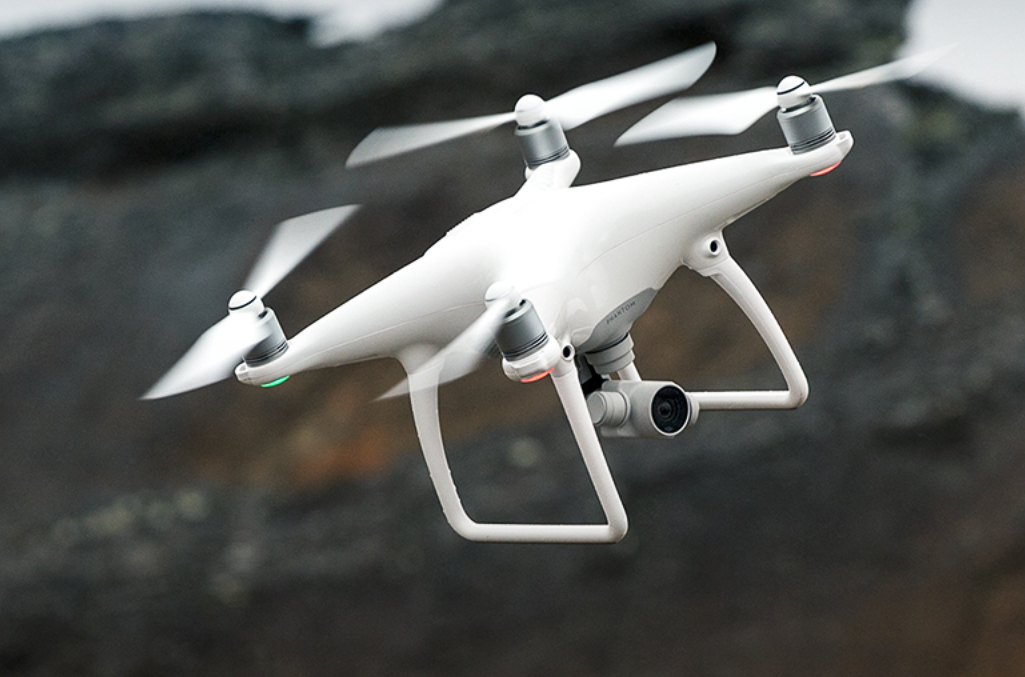
The FAA has released a regulatory document which specifies some terms of operation for small, civilian Unmanned Aircraft Systems (UAS/Drones), as suggested with the new part 107 to Title 14 Code of Federal Regulations (14 CFR).
As with any piece of legal paperwork, you’ll find the document peppered with the obligatory handful of legal jargon and disclaimers, but within it you’ll find the meat:
- Pertains for UAS coming in under 55lbs
- Max ground speed of 100mph
- A person operating a small UAS must either hold a remote pilot airman certificate with a small UAS rating or be under
the direct supervision of a person who does hold a remote
pilot certificate (remote pilot in command).
• To qualify for a remote pilot certificate, a person must:
o Demonstrate aeronautical knowledge by either:
Passing an initial aeronautical knowledge test at
an FAA-approved knowledge testing center; or Hold a part 61 pilot certificate, complete a flight review within the previous 24 months, and complete a small UAS online training course provided by the FAA.
o Be vetted by the Transportation Security Administration.
o Be at least 16 years old. - Visual line-of-sight (VLOS) only; the unmanned aircraft must remain within VLOS of the remote pilot in command and the
person manipulating the flight controls of the small UAS. Alternatively, the unmanned aircraft must remain within VLOS of the visual observer. - At all times the small unmanned aircraft must remain close enough to the remote pilot in command and the person manipulating the flight controls of the small UAS for those people to be capable of seeing the aircraft with vision unaided by any device other than corrective lenses.
- Small unmanned aircraft may not operate over any persons not directly participating in the operation, not under a covered structure, and not inside a covered stationary vehicle.
- Daylight-only operations (30 minutes before official sunrise to 30 minutes after official sunset, local time).
- Operations in Class B, C, D and E airspace are allowed with
the required ATC permission

Now, you can see the full document here, and if you currently or plan to fly drones for photography, you must. The major takeaway here is that drone usage for photography isn’t going away, but just being a bit more regulated.
[REWIND: Free Profoto OCF Beauty Dish With B2, 60% Off Benro Tripods, & Huge Nikon Savings (Deal Dash)]
More regulation is likely to come soon again, however, as privacy issues were skirted around. It’s a much debated topic, and likely the most complex portion of drone regulation. It’s very likely it will become something very region specific.
Anyway, if you are not deterred and want to get into flying drones, know too you must be registered, and here’s a video below on how to do so. It’s quick, cheap, and relatively easy so there’s no reason to avoid it.
Happy flying.