Most photographers who want to turn their skills into income already know the obvious answer: shoot for clients. But the range of ways you can actually make money with a camera — or with photography skills that don’t require a camera in your hand at all — is much wider than most people realize. This guide covers every viable income stream we know of in 2026, organized by how reliable, scalable, and accessible each one is.
We’ve run a photography business through Lin and Jirsa Photography for over a decade, shooting weddings, portraits, and commercial work. We’ve also built an education brand on top of it. So this isn’t a list compiled from research — it’s a list built from actually trying most of these things, or watching peers succeed and fail at the rest.
The fastest answer: what actually works for most photographers
If you want to make money with photography and you’re starting from scratch, the shortest path is direct client work — shooting for consumers or businesses. Everything else on this list is either a supplement, a long-term play, or a high-ceiling bet that requires either an existing audience or a very specific skill set.
That said, the photographers we know who earn the most don’t rely on a single stream. They shoot for clients, license images, maybe sell presets or teach. The combination is where real income stability comes from.
Photography services for consumers (B2C)
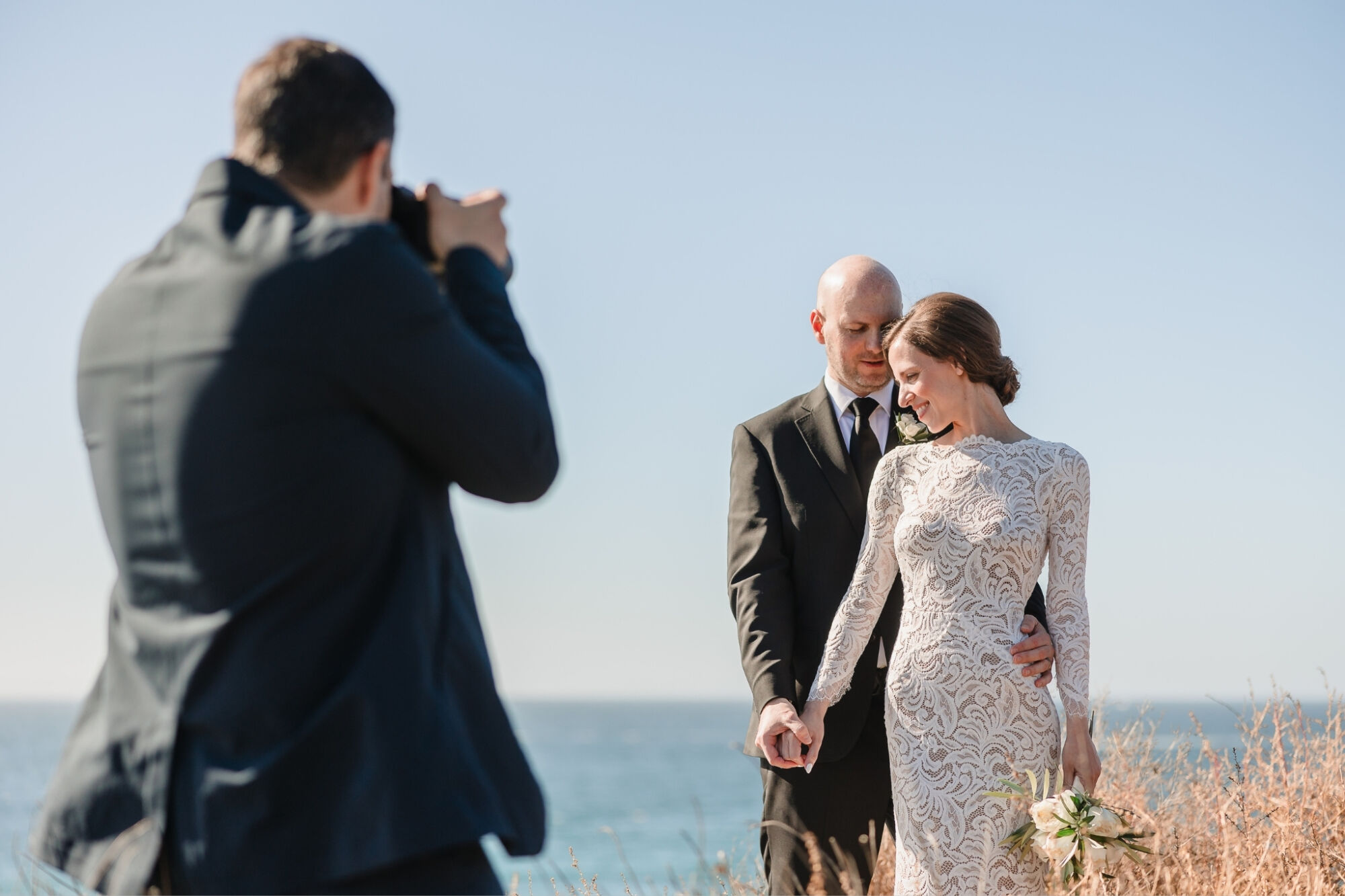
This is where most photographers start, and for good reason. You’re selling directly to the person who wants the photos. Demand is consistent, pricing is relatively straightforward, and skill compounds directly into income.
Niches that have the strongest demand and clearest pricing structures in 2026:
- Wedding photography — still the highest-earning niche per job for most photographers. Average rates in mid-sized US markets run $3,000–$5,000 for a full day; top-end wedding photographers in major cities regularly book $8,000–$15,000+.
- Family and portrait photography — consistent year-round demand, especially around milestones. Mini sessions have become a reliable volume play for studios with established client bases.
- Newborn and maternity photography — specialized, repeat-client friendly, and commands a premium for photographers who build real expertise in safety and posing.
- High school senior portraits — seasonal but high-volume. Photographers who build referral pipelines into school communities can fill a full summer calendar.
- Birth photography — small but devoted market. On-call work with strong word-of-mouth potential.
The real differentiator in B2C photography isn’t technical skill — it’s the client experience. The photographers in our network who charge the most aren’t always the most technically gifted. They’re the ones who respond quickly, make clients feel at ease, and deliver work that matches what they promised. Master those three things before you worry about gear.
Photography services for businesses (B2B)

Business clients often have larger budgets than consumers, longer relationships, and more predictable repeat work. The tradeoff is a longer sales cycle and a higher expectation of reliability and professionalism.
- Real estate photography — one of the easiest niches to enter. Agents need consistent, fast-turnaround work. Adding drone and video to your offering significantly increases your per-shoot rate. In most markets, you can realistically charge $200–$400 per property.
- Headshot photography — steady corporate demand. LinkedIn profile culture has kept this market strong. Corporate headshot days — shooting an entire office in a single session — can be very efficient work.
- Brand and commercial photography — higher ceiling, longer sales cycle. Brands need lifestyle imagery, product photography, and campaign content. Once you land an anchor client, repeat business is common.
- Product and food photography — e-commerce has made this a growth area. Amazon sellers, DTC brands, and restaurant groups all need consistent product imagery.
- Architectural photography — architects, interior designers, and hospitality groups pay well for work that represents their projects properly. Specialization matters here; generic architectural photography doesn’t command premium rates.
- UGC and social content creation — the newest and fastest-growing B2B niche. Brands hire photographers to create content that looks native to social platforms: authentic-feeling imagery for Instagram, TikTok, and Pinterest rather than polished ad photography. Experienced creators in this space charge $300–$1,500 per deliverable. No large following required; brands care about your content quality, not your personal audience size.
- Drone photography — requires FAA Part 107 certification in the US. Construction, real estate, event, and agricultural clients all have ongoing need. Adding drone to an existing photography business is one of the cleaner income expansions available.
- Freelance photojournalism and editorial — day rates have compressed significantly over the past decade, often running $300–$600 for magazine and newspaper work. Viable, but rarely a primary income source on its own.
Teach photography

If you have a genuine point of view and real field experience, teaching is one of the highest-leverage income streams available to photographers. You build the material once; it can earn indefinitely.
Online courses and workshops
Platforms like Kajabi, Thinkific, and Teachable give you everything you need to host and sell your own curriculum. Udemy offers a marketplace model if you’d rather trade some margin for built-in discovery. The barrier to entry is low; the barrier to making real money is having an audience or a marketing plan to build one.
Launching our own training system at SLR Lounge Workshops was one of the better long-term decisions we made — but it took years of audience-building before the economics worked. If you’re starting from zero, expect to invest in the audience before you invest in the course.
In-person workshops
In-person teaching works best for photographers who have a local or regional reputation. Common formats:
- Multi-day destination workshops — premium pricing ($1,500–$5,000+ per attendee), high logistics overhead, but strong perceived value. Location is part of the product.
- Half-day or single-day local workshops — more accessible for early-stage teachers. Lower ticket price, lower production cost, easier to fill initially.
- Convention teaching — WPPI, Imaging USA, and others pay modest honorariums for speakers, typically $200–$600 for a session. The value is in exposure and credibility, not the check.
Start a YouTube channel or monetize social media
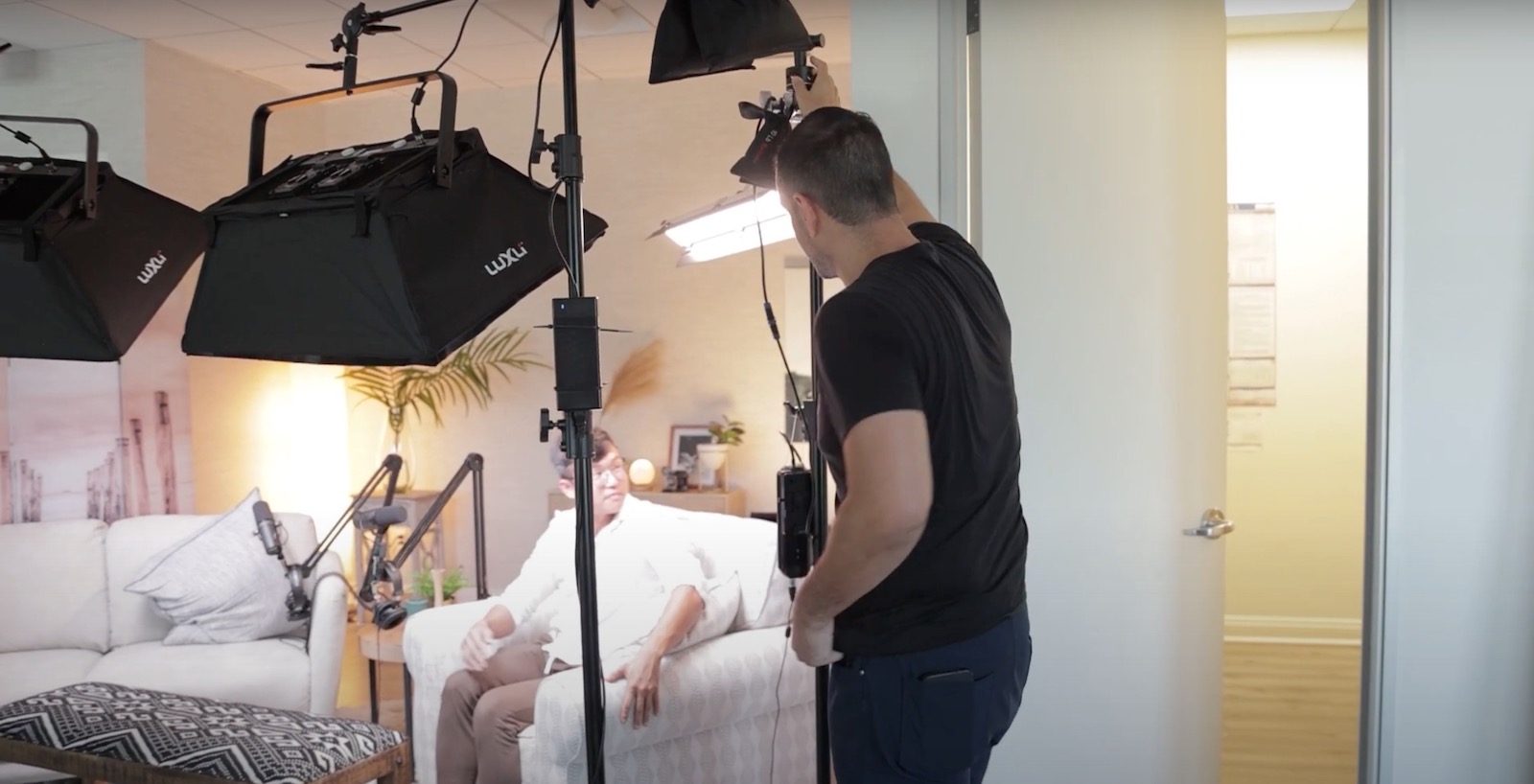
Honest framing first: YouTube ad revenue from a photography-focused channel is unlikely to sustain a living on its own unless you build a very large audience. Most photographers who succeed on YouTube use it as a top-of-funnel channel that drives income from courses, affiliate links, and brand sponsorships — not from AdSense alone.
That said, the combination of YouTube plus affiliate plus sponsorships is a legitimate business model. Photographers with 50,000–200,000 subscribers who review gear, teach techniques, or document shoots can earn $5,000–$20,000+ per month when all revenue streams are combined.
Instagram and TikTok both offer creator monetization programs, but payouts remain modest for most accounts. The stronger use case for social media is as a portfolio and referral driver for your primary service work, not a standalone income source.
Freelance photo editing
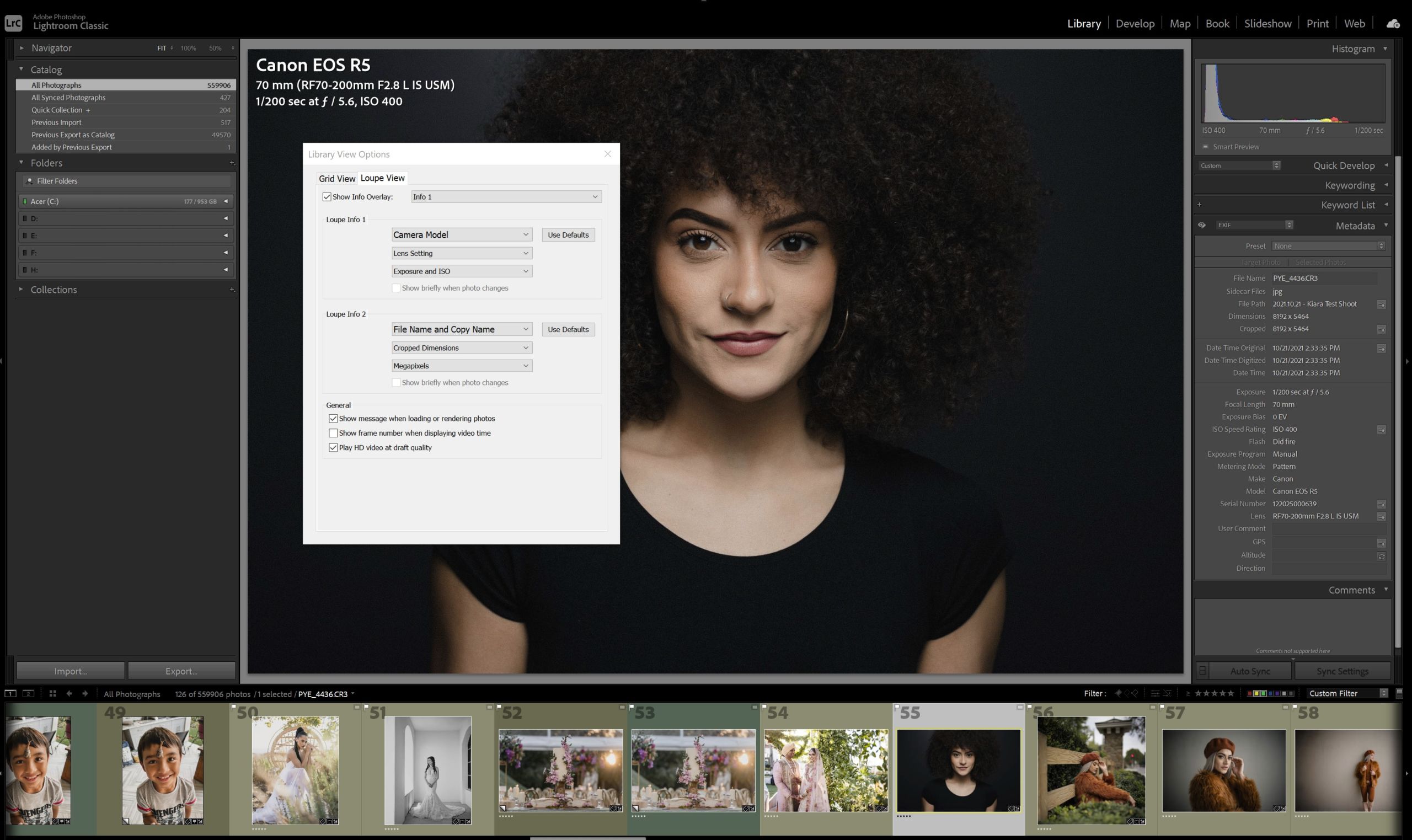
Strong Lightroom and Photoshop skills can earn independently of a camera. Two realistic paths:
- High-end retouching — magazine-quality skin retouching, compositing, and product work commands real rates ($50–$150+ per image for top-tier retouchers). Build a portfolio and market through Upwork and direct outreach to photographers and brands.
- Bulk editing for studios or companies — this market has contracted significantly since 2023. AI-assisted editing tools like Imagen, Lightroom’s AI Masking, and others have automated much of what bulk editing companies used to hire humans to do. Entry-level bulk editing positions still exist, but volume and pay have both compressed. If you’re considering this path, pair it with a specialization in work that AI handles poorly: complex composites, high-end beauty retouching, or editorial color grading.
Sell stock photography

Stock is a long-term supplemental income play, not a primary one. Microstock sites like Shutterstock pay $0.25–$0.38 per download on standard licenses. You need a large, well-tagged library and consistent uploads to see meaningful returns.
Better-paying options exist. Stocksy is a curated, higher-royalty platform paying 50–75% per sale. Adobe Stock integrates directly with Creative Cloud, which helps with discoverability. Alamy offers one of the higher royalty rates among traditional stock agencies.
The photographers who earn real supplemental income from stock — $500–$2,000 per month — typically have libraries of 1,000+ images built over several years, focused on commercially useful subjects: business, lifestyle, food, and travel. Artistic or niche photography rarely sells well on stock. A few platforms worth submitting to: Shutterstock, Adobe Stock, Getty Images, Stocksy, and Alamy.
For tips on getting started, see our guide to selling stock photography.
Sell prints, albums, and fine art

Print sales work best as an add-on to an existing client relationship. In-person sales sessions after portrait or wedding deliveries consistently generate $500–$2,000+ in additional revenue per client for photographers who run them intentionally. Photographers in our network who treat this as a system — not an afterthought — see it add 20–40% to their per-client revenue.
Fine art print sales to collectors or commercial spaces work but require either a strong local reputation, gallery relationships, or an existing following that cares about your work as art. Interior design partnerships, where a designer specifies your work for a project, can become a consistent source if you build those relationships deliberately.
NFTs and digital collectibles
The NFT market for photography peaked in 2021–2022 and has contracted sharply since. Most of the speculative demand evaporated, and platforms that were most active during the peak have seen significantly reduced volume. OpenSea, Rarible, and Magic Eden are still operating, but the era of photographers minting images and selling them for thousands of dollars to anonymous crypto buyers is largely over.
What remains is a smaller, more serious market of digital art collectors who pay for work with genuine artistic merit and an established creator behind it. The photographers still earning from NFTs in 2026 are almost universally people who had a large, engaged following before the market peaked. If you don’t already have that audience, the effort-to-return ratio on NFTs is poor compared to nearly every other income stream on this list.
The underlying concept of digital ownership and blockchain-based licensing hasn’t gone away entirely. If this space interests you, watch it rather than rushing into it. The tools and platforms are still evolving, and a more stable market structure may emerge.
Enter photography contests and competitions
Prize money from contests rarely adds up to a meaningful income, but winning builds credibility that opens other doors — exhibitions, editorial features, stronger client rates. Research each contest before entering: look at the prize structure, the rights you sign away, and the entry fee relative to the potential return. Some contests charge $30–$50 per entry for prizes that don’t justify the cost.
See our list of the best photography contests and competitions for more information.
Manage social media for small businesses

If you can shoot, edit, write captions, and understand platform algorithms, you have a service small businesses will pay for consistently. Monthly retainers for social media management with photography included typically run $800–$3,000 per month depending on deliverable volume and market. The catch is that it scales poorly — each new client adds real time commitment. Most photographers who go this route cap it at two to four retainer clients alongside their primary work.
Licensing images for AI training datasets
This is the newest and most contested income stream on this list. Several companies building AI image models have begun paying photographers for the right to use their work as training data. Rates and structures vary widely, and the ethical questions are genuinely unresolved in the photography community.
Some photographers have chosen to participate on the grounds that it’s a new licensing category like any other. Others have declined on principle. If you’re considering it, read the licensing terms carefully: some agreements are non-exclusive and allow you to continue using your images commercially; others are broader. This space will continue evolving through 2026 and beyond, and it’s worth watching even if you’re not ready to participate yet.
Design services for photography clients
If you have genuine graphic design skills — not just Photoshop familiarity, but actual design training and a strong portfolio — you can extend your photography services into album design, wedding announcement design, or brand collateral for commercial clients. Only add this if your design work is independently good enough to sell on its own. Offering mediocre design alongside strong photography undermines both.
FAQ
How much money can you realistically make with photography?
It depends on the income stream and how you approach it. Part-time client photographers in the US typically earn $15,000–$40,000 per year from photography. Full-time wedding photographers in established markets often earn $60,000–$150,000+. Photographers who combine client work with education, licensing, and other streams can exceed that significantly. Stock photography and contest winnings alone rarely produce meaningful income without scale.
What type of photography makes the most money?
Wedding photography consistently produces the highest per-job income for most photographers, with full-day rates averaging $3,000–$8,000+ in most US markets. Commercial photography has a higher ceiling per project but requires a longer runway to build the client relationships that get you there.
Can you make money selling photos online without clients?
Yes, through stock photography platforms, print sales, and digital licensing — but the income ramp is slow. Most photographers who earn meaningful passive income from online photo sales have spent years building a large, well-tagged library. Expect it to be a supplemental stream for the first several years, not a primary one.
Is it worth starting a photography YouTube channel in 2026?
Ad revenue alone is unlikely to sustain you in a photography niche. But YouTube as a top-of-funnel channel that drives course sales, affiliate commissions, and sponsorships is a legitimate model — it just requires treating it as a long-term business with consistent output, not a side project.
How has AI affected ways to make money with photography?
AI has most directly impacted the bulk editing market, which has contracted as automated tools handle work that previously required human editors. It’s also opened a new and contested licensing category — selling images for AI training datasets. For photographers who shoot for clients, AI has had minimal impact on demand so far. The relationship, experience, and human judgment involved in portrait and wedding work aren’t going anywhere.